

Welcome to Penn Avenue
Penn Avenue is one of those streets that tells a lot of Pittsburgh's story. Spend even just a little time there and you'll feel it: one storefront leads to another, the businesses build off each other, and a single block feels like a mix of old roots and new leaves all at once. It's a natural kind of energy, and lately, that energy has been picking up in a way that feels grounded, driven by business owners who are bringing deeply personal ideas to life.
Inside one building along that corridor, the momentum is easy to see. El Colibri and Polly and Esther are side by side, each with a distinct identity, but shaping a space together that feels layered, welcoming, and typical of the neighborhood.
El Colibri: Building from Experience
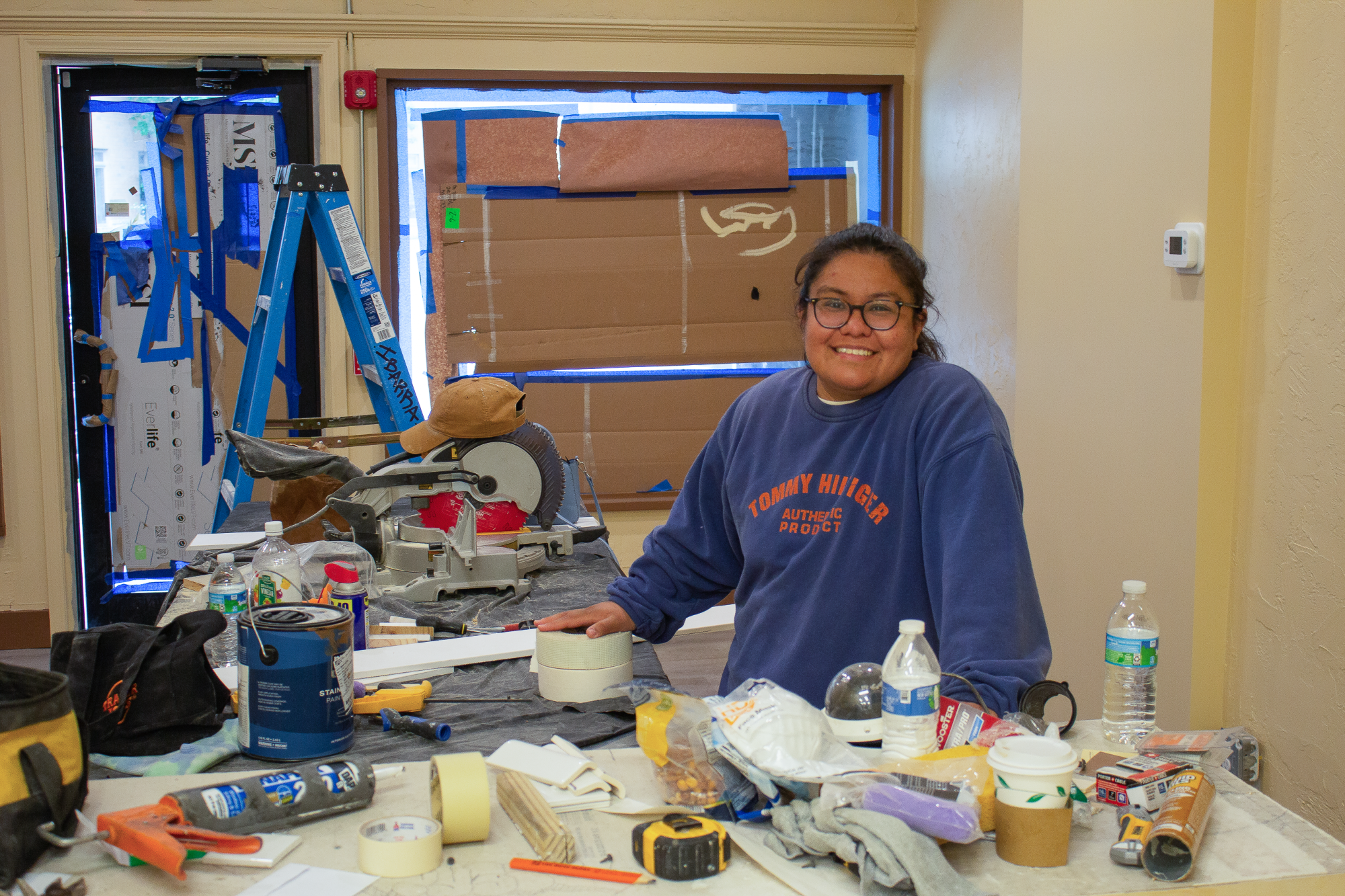
For Jeimy Ibarra, opening El Colibri hasn't been one-and-done. It's been gradual and deliberate. Long before a lease was signed, the concept was already taking shape through pop-ups, markets, and community events. Those early days weren't only about testing their recipes; they were about figuring out how Pittsburgh would respond to a more traditional approach to Mexican cuisine.
The response was stunning. The pop-ups sold out, the customers became repeats, and the word? Well, the word spread quickly. Huaraches and gorditas, rarely seen on Pittsburgh menus, found an audience. What started as a temporary experience began to feel more like something permanent, and something that was not only possible, but necessary.
The menu draws directly from family recipes and everyday cooking, from food that reflects how people actually eat, rather than what people in the US often imagine Mexican cuisine to be. For many, the restaurant will offer a first taste of dishes and ingredients that aren’t quite as common in Pittsburgh, inviting diners to discover a richer picture of Mexican food through flavors rooted in tradition.
At the same time, the menu makes room for a wide array of dietary needs without sacrificing authenticity. Nearly everything is gluten free, and vegan and vegetarian options are the norm, not the exception. This isn’t because El Colibri is following trends, but because it’s what is already woven into the fabric of Mexican cooking. As Ibarra explains, “It’s a corn tortilla, but we put a gluten free label on it and people go nuts: there’s no gluten in corn.” Traditional corn tortillas, vegetables, and entirely meatless dishes make El Colibri naturally welcoming to more people while staying true to the recipes, techniques, and life circumstances that inspired the restaurant.
That same philosophy extends to the menu’s more unexpected offerings. “We always shock people when they try cactus for the first time,” Ibarra says. “That educational piece is really fun for me. People get to try new things.”
On a corridor that’s near the University of Pittsburgh, and Carnegie Mellon, Carlow, and Chatham universities, that sense of inclusion and curiosity has the potential to ripple far beyond the restaurant’s walls. Students, longtime residents, and visitors alike will have the opportunity to experience authentic Mexican cuisine that broadens perspectives and palates, adding another layer to the vibrant cultural identity that continues to take shape along Penn Avenue.
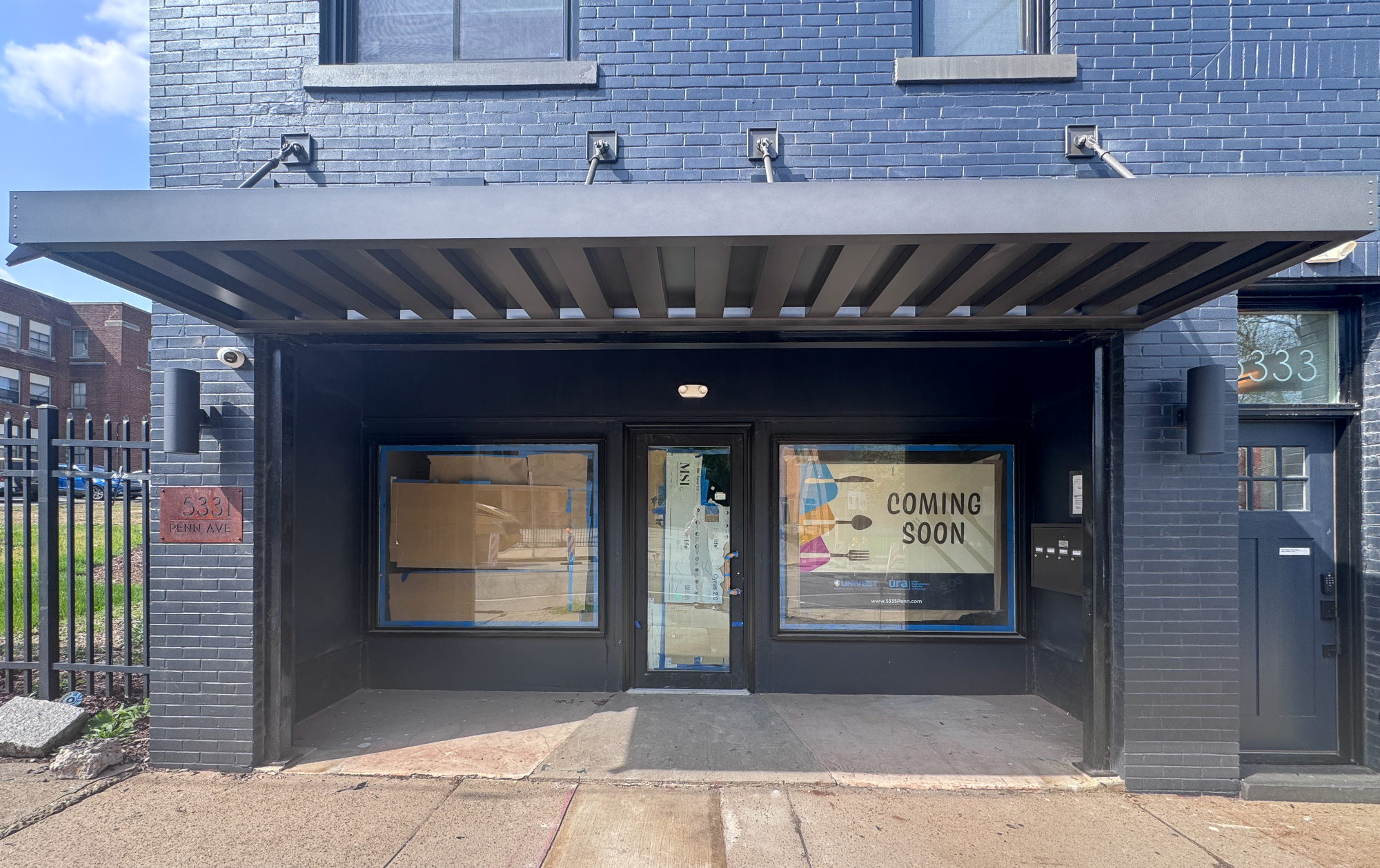
Now, with a brick-and-mortar location on Penn Avenue, El Colibri is entering a new phase. The foundation is there: a loyal customer base, a unique identity, and a concept that has proven it resonates. What comes next is building consistency, growing their audience, and most importantly, continuing to share something that resonated so much with people it demanded a larger scale.
Polly and Esther: A Space for Discovery
Next door, Polly and Esther offers a completely different experience, but it shares the same vibe, the same rhythm as El Colibri.
Owned by Suzan Hauptman, the boutique brings together vintage clothes, handmade items, and a collection of curated goods that express a strong sense of style. Walking into the shop feels like stepping into a collection of stories; each piece has a past, or a purpose, or a spark of someone's creativity behind it.
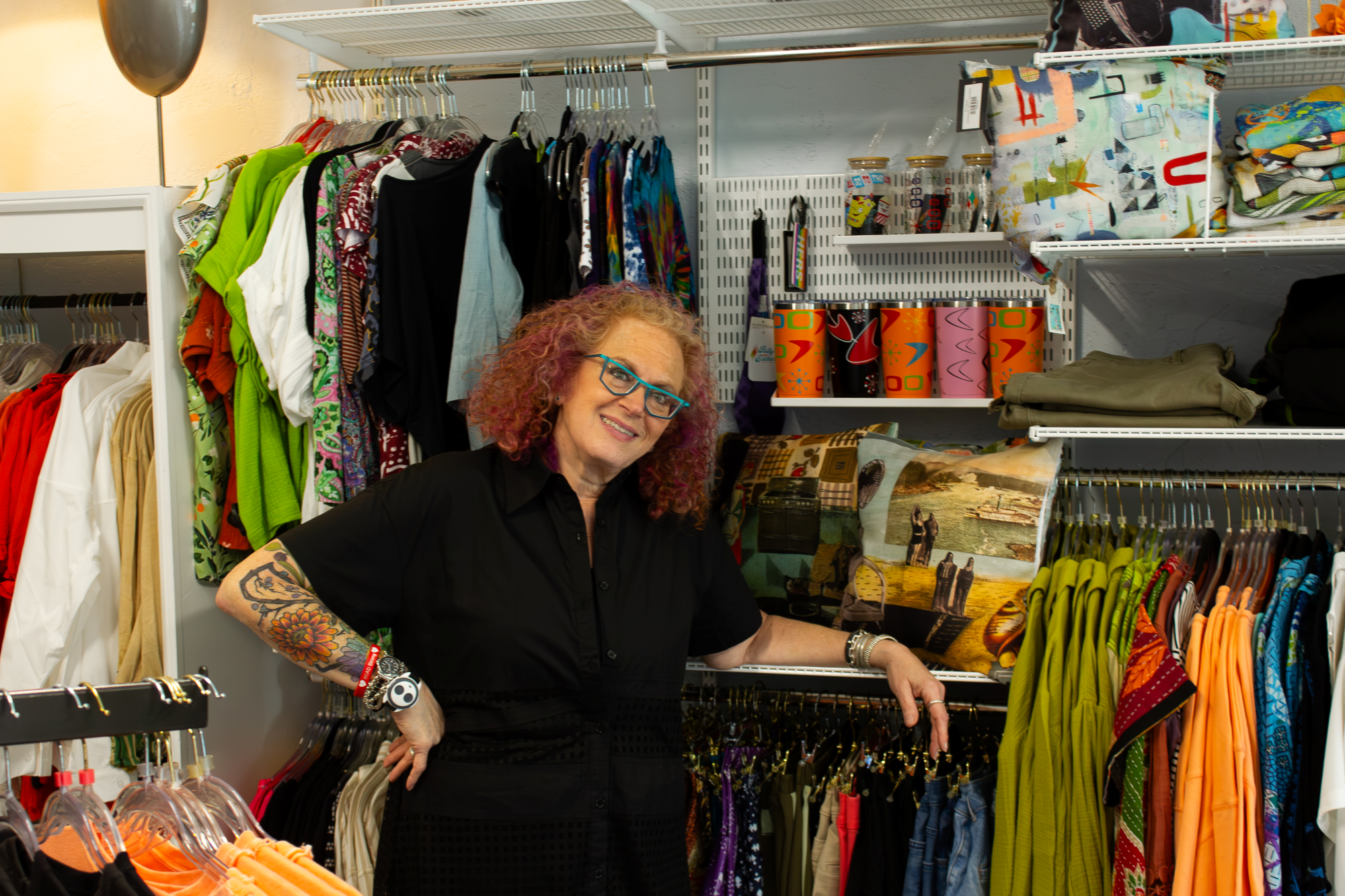
There's a familiar comfort in the space that encourages people not just to shop, but to spend time here. Customers browse, ask questions, and often end up deep in conversation with Suzan, maybe about where something came from, or how it was made, or how it might fit into their own lives like it fit into the life of its previous owner. That kind of interaction isn't incidental; it's an important part of what makes the store feel connected to its contents and its surroundings.
Polly and Esther fits easily into Penn Avenue's long association with the arts. The shop sits comfortably alongside galleries, tattoo parlors, and vintage shops that prioritize creativity and individuality with an eye to the sustainable, the shared. It adds another layer to what you can experience along the avenue: something tactile, personal, and unafraid to be itself.
Shared Spaces, Shared Investment
The building that houses both El Colibri and Polly and Esther belongs to Jiangyang Zhang, who is a real estate investor and has partnered with Invest PGH on several projects in the city. His continued involvement along Penn Avenue and elsewhere in the city demonstrates his commitment to Pittsburgh and to the kind of businesses that are taking shape here.
This role matters more than it might at first seem. A supportive property owner can make a real difference in how a business is able to grow, particularly for entrepreneurs navigating the complexities of renovating, owning, and sustaining a physical space. In this case, that support from Zhang is paired with real care, real friendship, and real investment from Invest PGH and the URA. Having that alignment in place helps create a sense of stability, something that small business owners have in short supply. It allows those owners to focus on what they're building, because they know that foundation, both financial and physical, is constructed with care and, even after closing, is a foundation that remains stable and strong.
Mathing the Math
Behind the scenes, both El Colibri and Polly and Esther have had partners helping turn years of planning, experimenting, and dreaming into permanent places on Penn Avenue. While the two businesses are at different points in their journeys, each found support tailored to what they most needed at the time.
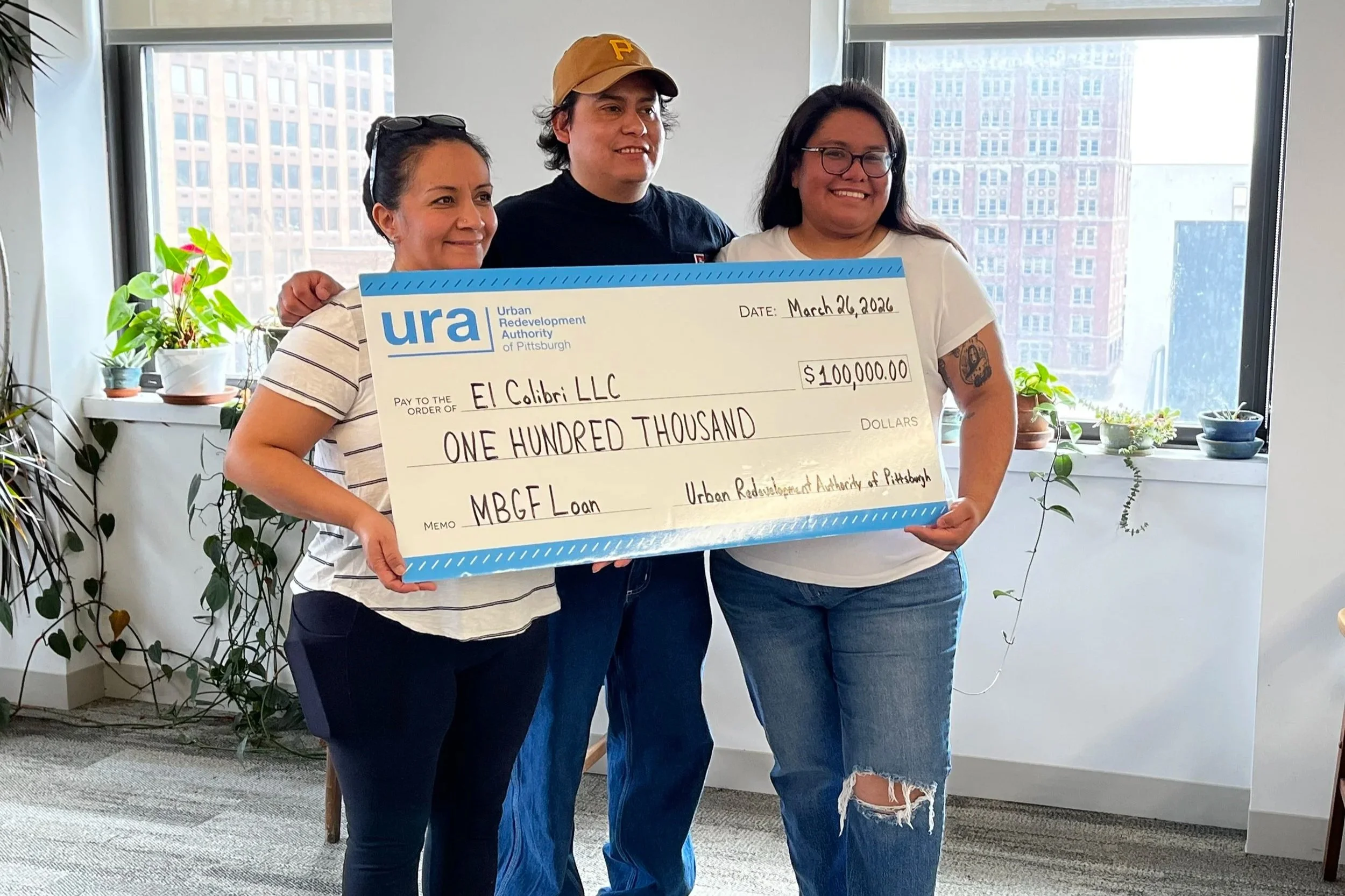
For El Colibri, that meant financing through the URA to make the leap from pop-ups and farmers’ markets to a brick-and-mortar restaurant. It’s a transition that requires much more than a good menu: commercial kitchens, specialized equipment, renovations, permits, and countless behind-the-scenes costs can quickly turn momentum into molasses. With the right financing in place, El Colibri was able to build a space where years of community enthusiasm could finally take root.
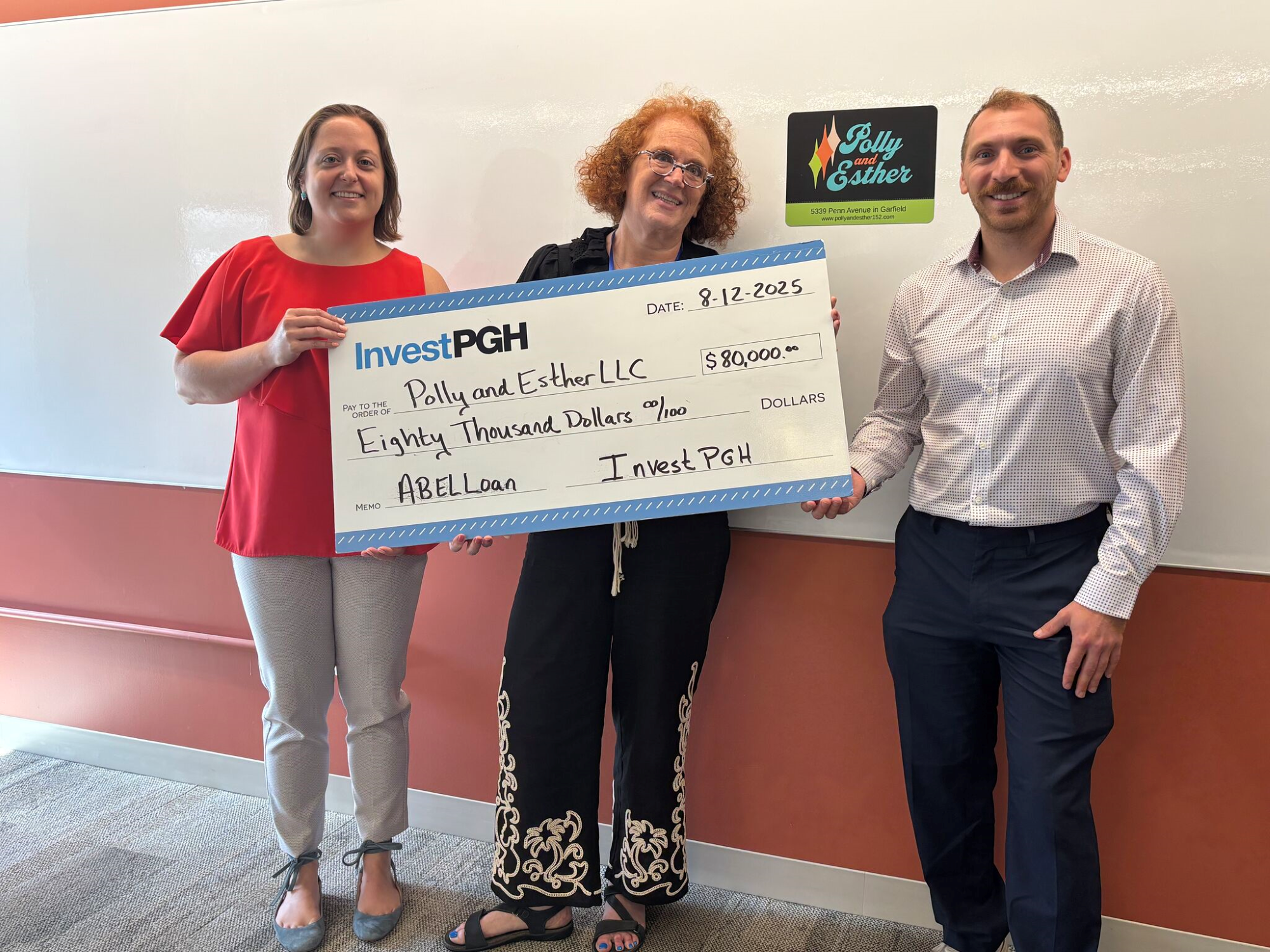
Polly and Esther’s needs looked different. Supported by Invest PGH, Hauptman’s shop has continued to evolve into the kind of place where even the smallest of details, from the vintage treasures to the period décor, reflect a carefully curated vision. Retail is a constant balancing act between bringing in fresh inventory, responding to the needs of customers, and staying true to what makes the business unique. Flexible financing gives independent retailers the breathing room to do exactly that, allowing shops like Polly and Esther to grow thoughtfully, without losing the personality that drew people in to begin with.
Together, these investments tell a bigger story about Penn Avenue. Great neighborhoods aren’t built by one kind of business or one-size-fits-all solutions. They’re built by restauranteurs introducing people to the flavors of their homeland, by shopkeepers creating spaces worth lingering in, by organizations willing to invest in each individual business on its individual terms. By recognizing that every entrepreneur’s path looks very different, the URA and Invest PGH are helping to ensure that Penn Avenue remains a place where distinctive local businesses can not only open their doors but keep them open.
A Main Street Shaped by Collaboration
Penn Avenue continues to evolve, but those changes are guided in large part by the people who are choosing it as the place to open their doors. There's a noticeable concentration of independently owned businesses, many of them lead by women and people of color, each contributing something entirely their own, something very distinct. Some shops focus on food, others on art, or retail, or community, or services, and together they create a main street with its own unique place in Pittsburgh. Each business keeps people moving along the street, with people compelled to discover one place after the other.
There's also a collaborative undercurrent. Business owners on Penn Avenue look out for each other. They share customers, they share contractors, and they share an understanding that activity in one storefront can benefit the entire block. Someone might come for a meal and go home with a vintage jacket, or they might stop in to shop and end up at a café so cozy it feels like home. That kind of overlap builds naturally over time, and when nurtured, strengthens the corridor as a whole.
El Colibri, Polly and Esther, and the building they share are a part of that pattern. They could hardly be more distinct in what they offer, but their proximity creates an experience that feels cohesive. It's easy to imagine someone standing on the sidewalk, oscillating between the two storefronts, discovering one because they came for the other.
Showing Up
As Penn Avenue undergoes a long-term streetscape reconstruction project, there will be moments when visiting (and yes, parking) looks a little different. For the businesses that call the road home, this period brings both challenges and opportunities to stay connected with their customers.
For Pittsburghers, continuing to seek out places like El Colibri and Polly and Esther during the construction period can make a truly meaningful difference. These are businesses that have already built strong relationships with the people they serve, and that connection doesn't stop when the traffic outside does.
El Colibri's recent opening and Polly and Esther's continued evolution reflect the kind of steady, intentional progress that keeps small businesses alive, and that defines Penn Avenue at its best. These are businesses shaped by the people and communities behind them, by their experiences, their creativity, and their commitment to offer something genuine.
Penn Avenue's story is told in its storefronts and by the people who bring them to life. Right now, the chapter being written stars a restaurant introducing new flavors and old traditions to the city, and a boutique creating space for more sustainable style and fashion, both contributing to the larger tale of a corridor that continues to grow, no matter what happens when we turn the page.
Find El Colibri Online & IRL
In Pittsburgh
5331 Penn Ave, Pittsburgh, PA 15224Online
elcolibrillc.comOn Facebook
@elcolibrillcOn Instagram
@elcolibrillc
Find Polly and Esther Online & IRL
In Pittsburgh
5337 Penn Ave, Pittsburgh, PA 15224Online
pollyandesther152.comOn Facebook
@pollyandestherpghOn Instagram
@pollyandestherpgh